



Building a good relationship with new teachers
09 September, 2026
Every school year marks the start of a whole new chapter, not only for kids, but for parents too. A new year brings its share of changes, starting with the arrival of new teachers. We sometimes underestimate the major impact of a harmonious, trusting relationship between home and school on a child's success and well-being. The teacher becomes one of your most important allies for the next ten months! To lay the foundations for a positive, caring and constructive collaboration from September on, here are a few simple tips to put into practice.
Make a warm, proactive first contact
If possible, don't wait for the first official report card meeting or for a problem to appear before reaching out to the teaching team. A positive first contact sets an open dynamic from the outset.
-
✉️ The short introductory note: In the first few days, don't hesitate to send a brief message (through the school's platform or the agenda) to introduce yourself, wish them a great school year and express your enthusiasm about working together.
-
😊 Casual greetings: If you drop off or pick up your child at school, a simple smiling hello at after-school care or in the schoolyard creates a natural closeness.
-
📝 Filling out forms promptly: Return the general information forms quickly to make the teacher's administrative work easier.
Share key information about your child
You're the expert on your child, and the teacher is the expert in teaching. By combining your knowledge, you give the student an environment suited to their needs.
-
Share the positive: Mention their strengths, their passions, what motivates them and what reassures them when they're under stress.
-
Flag challenges openly: Whether it's learning difficulties, an attention disorder, shyness or organizational challenges, informing the teacher early lets them adapt their approach.
-
Report family changes: A move, a separation, the birth of a younger sibling or a death in the family can affect behaviour in class. A small confidential heads-up avoids a lot of misunderstandings.
Adopt clear, respectful and measured communication
Communication is without a doubt the key to any successful relationship. However, with classes that are often large, teachers' time is precious.
-
⏰ Respect channels and hours: Use the official communication tools the school prefers (email, dedicated app, agenda). Avoid expecting replies in the evening or on weekends.
-
🎯 Get to the point: Write short, precise, polite messages. If a topic needs more than two paragraphs, suggest a phone call or an in-person meeting instead.
-
🤝 Assume good faith: If your child reports a situation that puzzles or upsets you, take the time to ask the teacher for clarification in a neutral way before jumping to conclusions.
Speak well of the teacher in front of your child
Parents' attitude toward school directly influences how the child sees their teacher and respects their authority.
-
Speak positively about the teacher at home to reinforce the child's sense of security.
-
If you disagree with a teaching decision or an instruction, discuss it privately with the teacher, away from the child.
-
Thank the teacher from time to time for their work and commitment; a word of appreciation always makes a huge difference!
Creating a true partnership with new teachers takes a little listening, flexibility and a lot of mutual respect. By working hand in hand, you surround your child with a caring safety net that will let them flourish fully throughout the school year! 🍎🏫✨
Put these tips into practice
Get the whole family organized with Octave
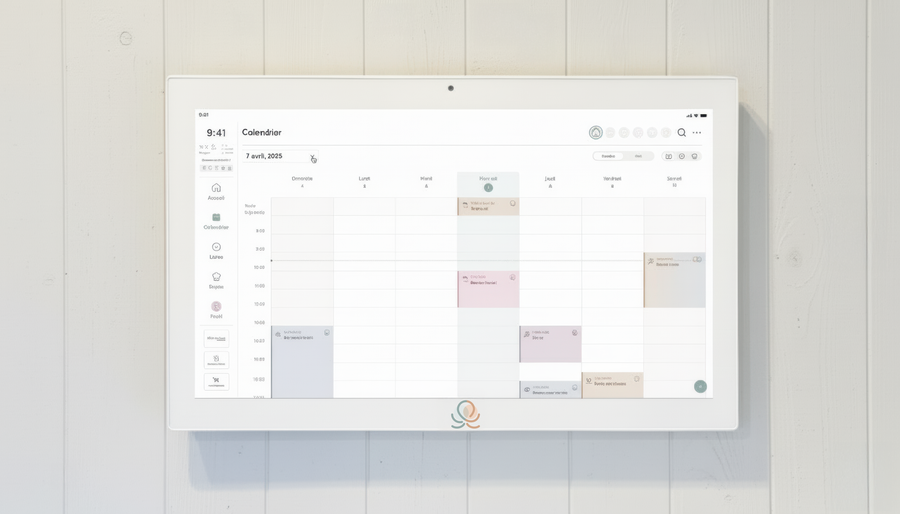
Meals, chores, the calendar and routines for the whole family in one place: on everyone's phone and on the Station on your wall.
The app is free on iOS and Android.