



Low self-worth and anxiety: tips and advice to help your child
10 January, 2018
For a work method to be effective, a child not only has to know how to put it into practice, but also has to be in the right frame of mind to carry out the task. Even if a child knows how to do things efficiently, what will the results be if they don't feel up to it or if they're anxious? So, first and foremost, a child needs to be calm and ready to concentrate in order to complete a requested task. Here, then, is some useful information and a few effective strategies to reduce anxiety and feelings of inadequacy when facing a task.
Emotion: low self-worth
A child who doesn't feel up to the task holds negative thoughts about themselves. Without any nuance, they tend to generalize their judgment of themselves: I'm useless, I'm not good, I'm bad. In short, any negative judgment about themselves will make them feel that sense of worthlessness.
How can you help?
When you hear your child say such things, your reaction will probably be to show them they're wrong. But often, the more you contradict them, the angrier they get. They may even set out to convince you they're right by giving you every possible example of a time they fell short. A pointless exchange then begins: you trying to convince them they're good, and them replying that they're the worst in their whole class. Rather than getting caught up in this endless waltz, take an interest in what they confide in you and try to be specific. The more precisely you break down exactly what is behind their feelings of worthlessness, the easier it will be for them to find suitable ways to deal with their difficulty.
Emotion: anxiety
Another emotion that greatly gets in the way of getting tasks done is anxiety. In this case, the child imagines that something terrible (in their eyes!) could happen, and they don't feel they have the tools or means to protect themselves from it. Of course, what they consider horrible is probably trivial to you, the adult, but to them, it's a mountain to climb. Telling them it's nothing, that it's no big deal, that they're worrying over unimportant things will only feed their distress, because they'll sense that you don't understand the scale of their situation.
How can you help?
Situations that seem harmless to you can be a major source of anxiety for a child: displeasing the teacher, being alone at recess, having to raise their hand in class, asking an adult a question, standing up to a friend, having to pack their bag without forgetting anything, remembering to bring home their lunch box, anything can be a chance to feel anxious!
Because we adults look at situations through adult eyes, we tend to forget that children's brains don't yet allow them to see things the way an adult does. If it's hard for you, despite your maturity and life experience, to get inside their head to understand how they see things, even though you've already been through childhood yourself, can you imagine for a moment how impossible it is for them to see these situations from your point of view with a completely immature brain?
If you notice your child feeling anxious, avoid downplaying what they're afraid of. Instead, try to understand how they see the situation by asking questions with curiosity so you can see their point of view. Ask with kindness and empathy to uncover the source of the emotion. Once you've identified it, you can help them shift their perspective by giving them the information they're missing.
When you help your children regulate their negative emotions, not only are they able to find effective work methods and solutions to their problems on their own, they're also better prepared to absorb new concepts, to learn and to face challenges. So I invite you to focus less on solutions and more on reducing the intensity of the negative emotions your child is going through. Once they're free of that tension, they'll surprise you with creative solutions to their problems.
Would you like first access to all the content published in the Magazine each month, plus our Toolbox, which includes, among other things, free downloads that are as practical as they are fun? Subscribe to Belles Combines Magazine today!
Put these tips into practice
Get the whole family organized with Octave
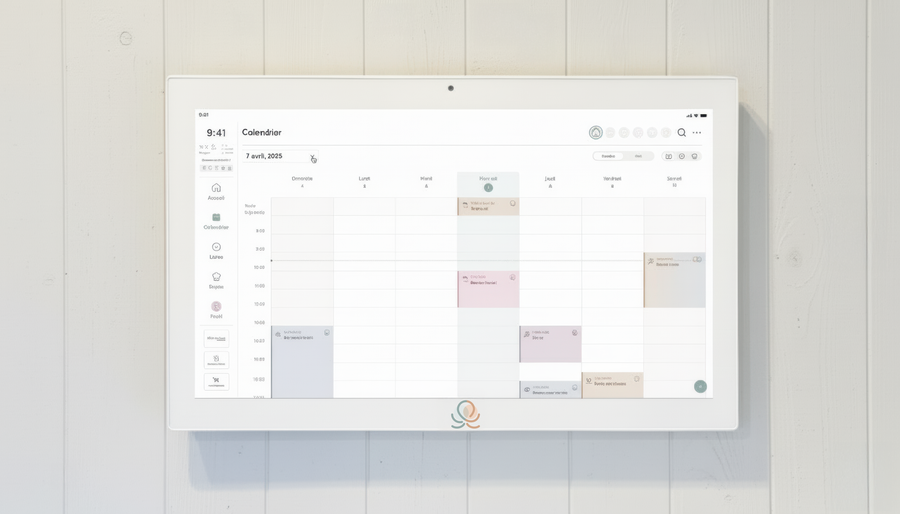
Meals, chores, the calendar and routines for the whole family in one place: on everyone's phone and on the Station on your wall.
The app is free on iOS and Android.