



Managing meltdowns and difficult behaviour at family gatherings
20 December, 2025
Family gatherings, especially during the holidays, are often moments we look forward to eagerly. But the combination of tired kids, disrupted routines, overstimulation and high expectations often creates fertile ground for meltdowns and difficult behaviour. Rather than enduring these moments with frustration and discouragement, you can adopt preventive strategies and effective interventions that will help everyone get through these gatherings more smoothly.
Understanding the triggers
Children's difficult behaviour at family gatherings doesn't happen for no reason. Sensory overstimulation from noise, lights and constant commotion quickly wears out young children, while a change in routine, lack of sleep and the excitement of special events can easily upset their usual balance.
Add to that the social pressure to behave well in front of the extended family, which creates stress even in kids who are usually calm. Finally, the youngest children also lack the words to express their discomfort or their needs, which then shows up as crying, screaming or defiance. Recognizing these triggers first lets you step in with empathy rather than irritation.
Preventing before intervening
Managing meltdowns effectively starts well before they erupt. Make sure to prepare your children ahead of time by explaining how the day will unfold, who will be there and what's expected of them. This predictability will considerably reduce their anxiety about the unknown.
If possible, also keep essential routines going as much as you can during the holidays, particularly sleep and meals. A well-rested child who has eaten at regular times generally handles their emotions much better. If the gathering stretches over several hours, also plan quiet times when your child can retreat to a calm space if they need to.
Finally, consider bringing a bag with familiar toys, books, healthy snacks and a comfort object like a lovey; these reassuring items will help your child regain their balance if the situation becomes too intense for them.
Stepping in effectively during a meltdown
Despite all the precautions taken ahead of time, meltdowns will very likely happen! If your child loses control, resist the urge to react with frustration or embarrassment in front of the other family members. Your own calm is a powerful tool to help you calm the storm.
Instead, withdraw with your child to a calmer place, away from watching eyes and potential judgment. This physical transition often helps the child begin to calm down. Validate their emotions by naming what they feel: “I can see you're very angry” or “You seem really tired.” Acknowledging their feelings doesn't mean you approve of their behaviour, but it helps them feel understood.
Avoid long speeches or complicated reasoning during the meltdown. A child overwhelmed by their emotions can't process verbal information effectively. Wait until calm returns before going over what happened and more appropriate behaviours for next time.
Handling other people's judgment
When your child has a meltdown, it's easy to feel judged by the other adults present, even if they're family. Well-meaning comments or unsolicited advice can often add to your stress and your child's.
So set clear but polite boundaries with family members who step into how you're handling the situation: a simple sentence like “I've got this, thanks” is usually enough. If someone persists with criticism or comparisons to other children, don't hesitate to state firmly that every child is different and that you know yours better than anyone.
Remember that your priority is still your child's well-being, not your sister-in-law's or your aunt's opinion of your parenting skills!
Checking in after the event
Once the gathering is over and calm has returned, don't forget to take a moment to talk with your child about what happened. Use this teachable moment to explore together strategies they could use the next time they feel overwhelmed.
Make sure to praise them too for the moments when they handled certain difficult situations well during the day. This positive recognition will reinforce desirable behaviours and give them confidence in their ability to do better next time!
Put these tips into practice
Get the whole family organized with Octave
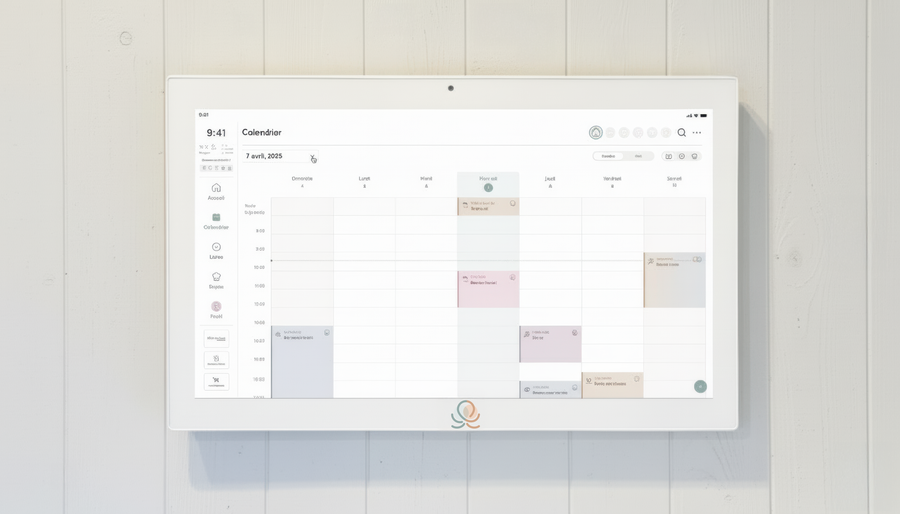
Meals, chores, the calendar and routines for the whole family in one place: on everyone's phone and on the Station on your wall.
The app is free on iOS and Android.