



School and home: partners in helping your child thrive
05 March, 2024 • Par David Bessette
Shocking revelation: your child is leading a double life. But don't panic, it's perfectly normal! It's simply that school and home are two very different environments. And that actually has plenty of upsides, like giving your child a variety of experiences, or a break when things aren't going so well in one part of their life or the other.
That said, these two worlds have a big impact on each other. At school, it's very hard for a child to concentrate if they're tired or worried about something going on at home. Home, meanwhile, is often the place where kids feel comfortable enough to vent and unload on their parents all the emotions they held in during the school day.
Fortunately, this impact can also be positive, especially when the teacher and the parents communicate well. Because we spend so much time with the child, and because our separate relationships with them mean so much, each of us has tremendous power to help them meet their challenges. No wonder, then, that miracles happen when school and home join forces.
So here are a few ideas that can help you build a better working relationship with your child's teacher:
- Go to parent-teacher meetings. Nothing beats a good face-to-face conversation. Not only does it let you see the setting where your child spends some forty hours a week, but it also lays a personal foundation for all the email and phone conversations that will follow.
- Join school field trips as often as you can. You'll get a glimpse of how your child interacts with the group, and a chance to get to know their teacher better.
- When your child is going through a hard time at home, send an email to let the school know. Whether it's the death of a pet or a bad night's sleep, the teacher will be better able to support your child if she knows what's going on.
- If your child has a challenge to work on at home (like speaking more kindly to their brother, for example), you can let their teacher know. She can then encourage them, and she might even decide it's a topic the whole class would benefit from discussing.
- If the teacher tells you about a challenge your child needs to work on at school, encourage your child and follow up with them on it. If it's something that can apply at home too, don't hesitate to work on it there as well.
- Offer your expertise. If you have special skills or work experience that could benefit the school, you could lead a workshop or give a presentation on the subject.
- Keep in mind that the teacher has a lot of students and a huge mental load. When you email her, keep your expectations realistic. And if she's the one taking the time to write to you, read the whole message.
All of these steps will help build a healthy line of communication between you and the school. What's more, your child will see that you care about them and that their two worlds are really one and the same.
Follow educator David Bessette here!
Would you like first access to all the content published in the Magazine each month, plus our Toolbox, which includes, among other things, free downloads that are as practical as they are fun? Subscribe to Belles Combines Magazine today!
Put these tips into practice
Get the whole family organized with Octave
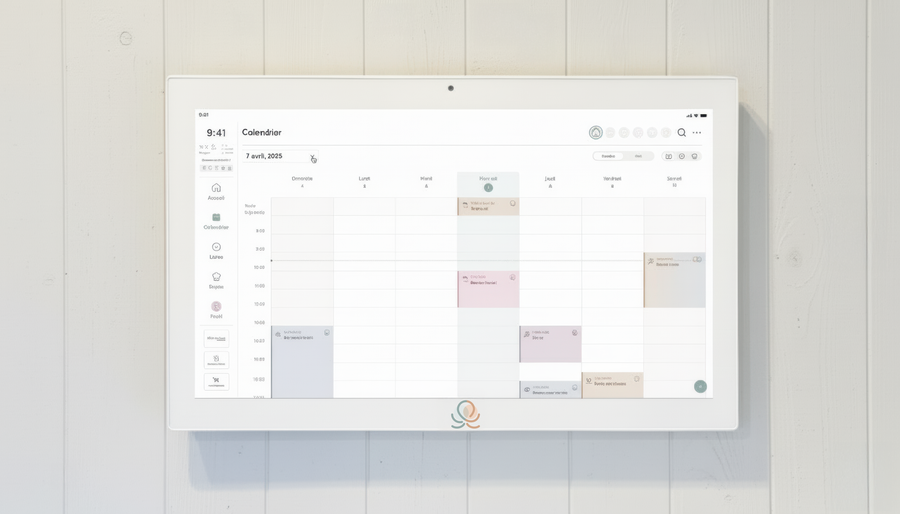
Meals, chores, the calendar and routines for the whole family in one place: on everyone's phone and on the Station on your wall.
The app is free on iOS and Android.