



Spring break: the different temperament traits of a child and tips for adapting well
01 March, 2022
Spring break: adapting to your child's temperament
Spring break is either a long-awaited restful week,
or chaotic days that seem to sow discord within the family!
Many factors can influence how you experience these seven days of
time off, including your child's temperament.
Every child is born with a temperament, which is a bit like their serial
number. We don't choose a temperament; we all arrive with this “little
baggage” that is our own, and we grow up with it. Temperament is the
foundation of our personality, which changes and develops over time.
Why is this a relevant concept here?
The main traits that characterize a child's temperament:
1- Motor activity level
This dimension refers, for example, to the proportion of active and inactive periods during the day. It also refers to the level of motor activity during various daily activities, such as bath time, meals, play or getting the child dressed.
2- Rhythmicity, or the regularity of biological functions
This is about how predictable or unpredictable various physiological needs and rhythms are, such as eating, sleeping or going to the bathroom.
3- Approach and withdrawal
These elements concern the first reaction to a new situation, whether it's a new food, a new toy or a new person. Approach shows up as an expression of positive mood (a smile or a vocalization) or as a motor behaviour (for example, trying to grab the new toy). Withdrawal shows up as negative emotions (crying,
grimacing or screaming) or as motor behaviours of escape (for example, turning their head away from an unfamiliar person or pushing away the new object).
4- Adaptability
In this case, it isn't about the first reaction to the unknown, but about whether or not the child can adapt to change. For example, does the child manage to change their behaviour to adapt to a new situation?
5- Sensory threshold
This is the level of intensity an external stimulus needs to reach to produce a significant reaction from the child, whether it's the loudness of a noise that triggers crying, the level of brightness that causes glare or the roughness of a piece of clothing that makes the child uncomfortable.
6- Intensity of reactions
This is about the level of intensity, not of the external stimulus, but of the child's reactions. For example, if the child doesn't like the food, do they simply turn their head or throw a tantrum? If the child wants to be carried, will they whimper or wail?
7- Quality of mood
This criterion refers to the proportion of positive emotional reactions, such as joy or friendly behaviours shown through the child's smiles or vocalizations, compared with negative emotional reactions like crying or being angry. Is the child most often content, or do they seem most often frustrated?
8- Distractibility
This is about assessing how easily outside stimuli pull the child away from what they're doing. For example, does the baby drinking their bottle suddenly stop because they heard a noise? Or conversely, can the child who gets impatient waiting for their bottle be easily distracted by a toy, or do they keep crying no matter what you offer?
9- Attention span or persistence
Attention span concerns how long a child focuses their interest on a particular activity. For example, can the child play with the same object for a long time, or do they tire of it quickly? Persistence is the ability to keep going with an activity in the face of an obstacle that interferes with it. For example, how long does a child try to grab an object out of reach before losing interest in it?
Do you recognize your child among these traits? The goal here isn't to label, but to be able to better understand some of children's reactions in order
to better support the child. If your child has a high level of motor
activity, they'll need to keep being very active during spring break,
unlike a child with a lower activity level who will enjoy
finally being able to take a few days of rest. A child who has more difficulty adapting to changes in routine may react to the different rhythm of spring break, so you'll need to prepare them in advance and not disrupt too much
their schedule, even on days off.
A child who is easily distracted may find it easier to go around in circles during
this school break, while the most persistent will want to take on
small projects during the week.
The key thing is simply to know that children's reactions to this
time of year can depend on their innate characteristics, and
parents who plan the break around these factors will only make it
a pleasant moment suited to their children's needs. And with that, enjoy your
spring break and, above all, have fun!
Would you like to be the first to see all the content published in the Magazine each month, and have access to our Toolbox, which includes free downloads that are both practical and fun? Subscribe to Belles Combines Magazine now!
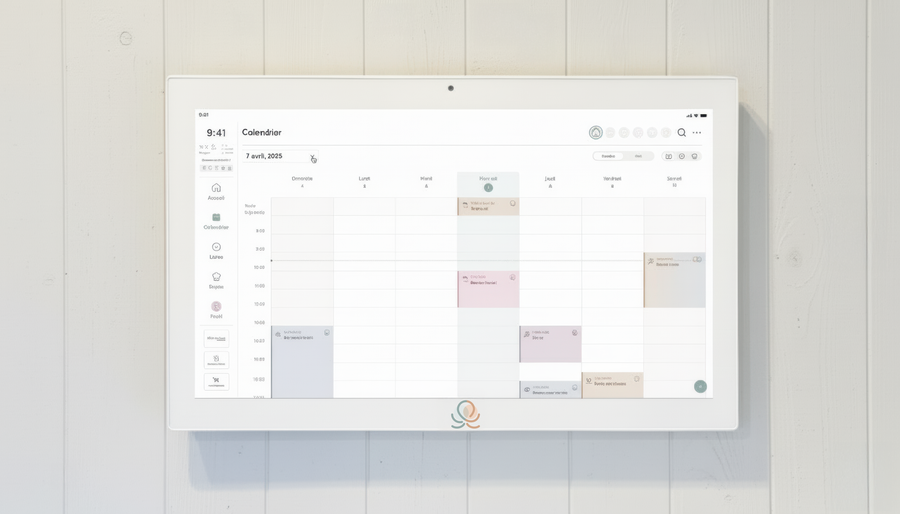
Put these tips into practice
Get the whole family organized with Octave
Meals, chores, the calendar and routines for the whole family in one place: on everyone's phone and on the Station on your wall.
The app is free on iOS and Android.