



A practical guide to involving kids in meal preparation
17 April, 2026
Even though cooking with kids can sometimes get a little chaotic, involving the little ones in meal preparation is certainly one of the best investments we can make, both for their development and for long-term family dynamics. So here are some practical tips and advice on how to go about it, depending on the age of your budding young chefs.
Why is cooking as a family worth it?
The benefits of involving kids in meal preparation are many. A child who takes an active part in the kitchen is generally much more willing to eat the meal that was made, even if it's a dish they would normally have turned their nose up at. Cooking also helps develop fine motor skills, basic math, reading, patience and self-confidence, in addition to being a moment of connection, away from screens, where the child feels truly useful and valued.
Which tasks to favour at each age
Ages 2 to 4: little hands discovering
At this age, the goal isn't efficiency but exploration. Even though they generally prefer to touch and smell, toddlers can still take part in simple, safe tasks that give them a sense of really contributing.
- Rinse fruits and vegetables under running water
- Tear lettuce for the salad
- Mix ingredients in a bowl
- Pour in pre-measured ingredients
- Mash bananas with a fork
- Decorate cookies with icing
Above all, make sure you don't set your expectations too high and keep a positive, relaxed attitude. Mess is inevitably part of learning, so be sure to have an apron on hand and accept that the counter won't be spotless!
Ages 5 to 7: apprentice cooks
Kids this age are starting to be able to follow simple instructions and carry out tasks with a bit more precision. They love having a “real” responsibility.
- Measure and weigh ingredients
- Peel soft vegetables with a vegetable peeler
- Cut soft foods with a fork or a kid-safe knife
- Make sandwiches or assemble wraps
- Mix a salad dressing or pancake batter
- Set the table and put out the condiments
It's the ideal age to introduce simple recipes they can call “their” recipe, which is sure to make them very proud!
Ages 8 to 11: real partners in the kitchen
From age 8, kids start to understand basic concepts and anticipate the steps, so they can take charge of entire steps of a recipe under light supervision.
- Cut vegetables with a real knife, under supervision
- Cook eggs or pasta on the stove
- Follow a simple recipe independently
- Make a full salad
- Make a basic sauce or soup
- Manage the timer and keep an eye on the cooking
Give them a real recipe, let them read it, ask questions and resist the urge to take over. Independence takes practice!
Ages 12 and up: on the road to independence
Teenagers are perfectly capable of preparing a complete meal from start to finish. The challenge is no longer to supervise them, but to let them do it and accept that it won't always be perfect.
- Plan and cook a complete meal for the family
- Improvise with what's in the fridge
- Juggle several elements at the same time
- Adapt a recipe to the family's tastes or constraints
- Do the grocery shopping with a list and a budget
Give them one night a week when they're the ones who cook, in order to give them responsibility, make them feel valued, and at the same time give you a night off from cooking!
A few tips to help things go smoothly
Whatever the age, a few basic principles make the experience easier: choose times when you're not in a rush, let your child choose the dish once in a while, praise the effort rather than the result, and accept that the meal won't turn out the way you'd have made it yourself. The goal isn't a perfect meal, but a child who grows up in the kitchen with confidence.
And one day, sooner than you think, they'll be making dinner while you rest. 🙌
Put these tips into practice
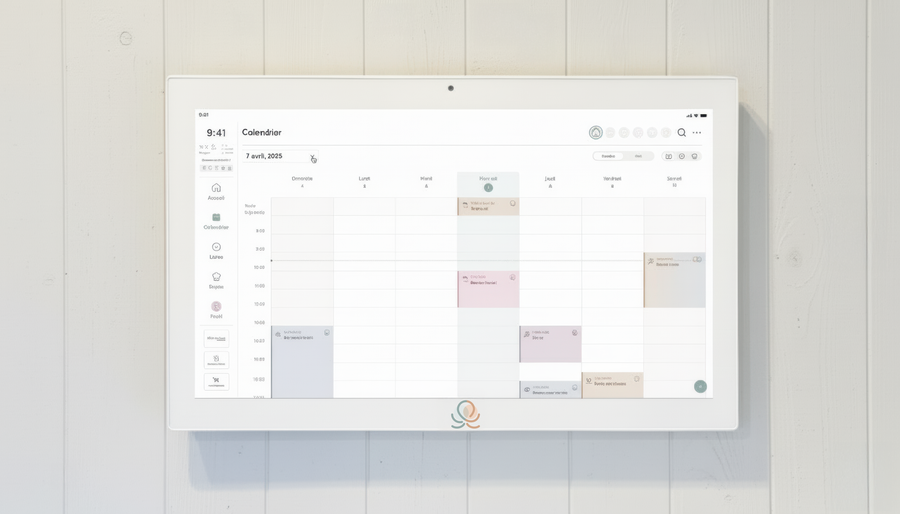
Get the whole family organized with Octave
Meals, chores, the calendar and routines for the whole family in one place: on everyone's phone and on the Station on your wall.
The app is free on iOS and Android.