



Toy rotation system to maintain order
09 February, 2026
If every time you open the door to the playroom or the kids' bedroom, you feel overwhelmed by the staggering number of toys in there, and yet your kids often seem jaded and bored despite all that abundance, it may be time to set up a toy rotation system, a brilliant strategy that cuts down on daily clutter and lets your kids rediscover toys they had completely forgotten about!
Why toy rotation works so well
1. Fewer choices = more creative play
Kids play better and for longer when they have access to fewer toys at a time. Too many options create too much stimulation and make it hard to choose. The result? Kids pull out all the toys at once but don't really play with anything, leaving a mess behind them.
With a rotation system, you limit the accessible toys to a quarter of your total collection, which lets kids truly explore each toy rather than skimming over everything quickly.
2. The “new toy” effect without spending a cent
When you bring out a box of toys that has been put away for 4 to 6 weeks, your kids react as if it were Christmas, even though they have often literally forgotten they owned them!
It's free, it's eco-friendly, and it saves you from constantly buying new toys to fill the boredom and refresh their stash.
3. Easier tidying (finally!)
Fewer accessible toys = less mess to pick up every evening. Tidying up becomes easier for kids, so they can take an active part in it without too much protest!
Setting up the rotation system in 5 steps
Step 1: The big sort
Before starting the rotation, it's important to take the time to declutter first.
To do this, gather ALL the toys in the house.
Create 4 piles:
📦 Keep: Toys in good shape that your kids still use
♻️ Donate: Toys in good shape that don't suit your kids' current ages or were never used
🗑️ Toss: Broken, incomplete or too worn-out toys
❓ Unsure: To go in a box in the basement or garage for a few months; if the toys haven't been asked for after that time, they can be donated with no guilt at all!
To let your kids help you with this step, use this handy printable!
Step 2: Categorize the toys you're keeping
Now it's time to group the toys by category:
- Blocks and building toys (Lego, wooden or magnetic blocks)
- Pretend play (kitchen, dress-up, dolls)
- Vehicles and figurines
- Arts and crafts
- Puzzles and board games
- Sensory toys (modelling clay, kinetic sand)
- Books
The goal: Each rotation should contain a balanced mix of categories so your kids get different types of play every time.
Step 3: Create your “rotation boxes”
Invest in 3 or 4 large clear plastic boxes with lids, and divide the toys among them, making sure each one includes a variety of categories.
Example of how to divide things up for 4 boxes:
Box #1:
- Lego
- Toy cars
- Storybooks
- Modelling clay
Box #2:
- Magnetic blocks
- Animal figurines
- Puzzles
- Doctor's kit
Box #3:
- Toy kitchen and accessories
- Dolls and doll clothes
- Simple board games
- Musical instruments
Box #4:
- Wooden blocks
- Dinosaurs
- Craft supplies
- Trucks and toy garage
Tip: Label each box with a photo of its contents, which makes it easier to choose the next rotation and lets kids ask for a specific box if they want to.
Step 4: Set a rotation schedule
Ideally, rotate every four to six weeks.
If you switch too often, your kids probably won't have time to explore the whole contents of the box, and if you don't switch often enough, their interest will fade and the mess will take over again.
Finally, choose a recurring time to do the rotation (and note it in your Octave app!): the first Sunday of the month, the 1st of every month, and so on.
Step 5: Get the kids involved
On rotation day, don't hesitate to get the kids involved, since they'll surely enjoy it!
Ask them to pick the new box of their choice, then invite them to help you put the toys that are currently out back into their respective boxes. Of course, it's important to make sure the old toys are completely put away before bringing out the new ones, so that everything doesn't get mixed up and the boxes don't have to be redone.
Possible adjustments based on your kids' ages
For toddlers (ages 1 to 3)
- Shorter rotation (3 to 4 weeks)
- Fewer toys per rotation (10 to 12 items)
- Favourite toys within reach
Preschoolers (ages 3 to 5)
- Standard rotation (4 to 6 weeks)
- 15 to 20 toys per rotation
- They can help with tidying and with choosing the box
School-age kids (ages 6 to 10)
- A longer rotation is possible (6 to 8 weeks)
- They can help manage the rotation more independently
- Include their suggestions
Handling “permanent” toys
Even with a rotation system in place, you can of course leave some toys available all the time:
✅ A selection of books
✅ Favourite stuffed animals and comfort objects
✅ Basic art supplies (pencils and paper, among other things)
✅ Outdoor toys (bikes, balls, etc.)
Of course, feel free to adapt this list to your family's reality and to your kids!
Where to store the rotation boxes?
Here are different options depending on your space:
- Basement or garage (ideal if easy to access)
- Parents' bedroom closet
- Top of a closet
- Under the parents' bed (in flat bins)
- Space above the kitchen cabinets
Important: The boxes must be out of sight and out of the kids' reach, otherwise the system probably won't work!
Mistakes to avoid
❌ Keeping too many toys accessible at the same time
❌ Mixing categories in an unbalanced way (a box with nothing but puzzles, for example!)
❌ Forgetting to do the rotations (make sure you add a reminder to your calendar!)
❌ Not decluttering before you start
❌ Forcing kids to put away toys they love (adapt the system to their needs!)
So, ready to take back control? Your rotation boxes are waiting for you! 📦✨
Put these tips into practice
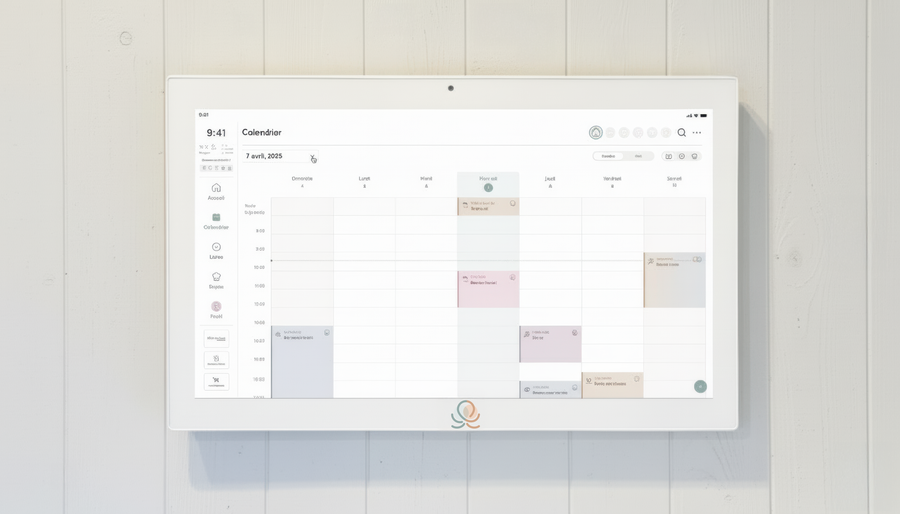
Get the whole family organized with Octave
Meals, chores, the calendar and routines for the whole family in one place: on everyone's phone and on the Station on your wall.
The app is free on iOS and Android.