



Tips for consumers in training: practical ways to teach kids to save
04 April, 2018
Before the age of 21, children are exposed to more than a million ads! From a very young age, they are the targets of marketing strategists seeking to shape their tastes and preferences for certain products. When you visit grocery stores, the colourful characters on sugary cereal boxes smile at children, looking them straight in the eye. On car rides, young children quickly learn what certain logos mean and are able to tell you, with gestures or words, which fast-food chain they want to eat at. When they use tablets or other similar devices, children are exposed to many ads which, interestingly, are not subject to the same rules as those shown on television.
In our society, children quickly become consumers in training, whether we like it or not, and learn to be shrewd negotiators to get the things they want. This can sometimes be a headache for parents. In this consumer world, financial education for children is important. To help them build their financial knowledge, one of the first basic concepts to teach children is saving. It's important to help children understand what they spend on an item or an activity they want to do. So I'm offering you three great tips for getting children aged 4 to 12 to handle money and better understand the reasons to save.
The vacation box
Spring has finally poked its nose out, and it will soon be time to plan the summer vacation. Why not get the kids involved? Once you've chosen the destination, sit down as a family with old magazines or pictures you've printed ahead of time. You'll also need a cardboard box (about the size of a shoebox), a glue stick and scissors. At your family meeting (discover it in the monthly Family Manager!), you can talk about the upcoming vacation, invite the children to decorate your vacation box and decide on a wish to make come true. Wishes can vary a lot from one family to another and from one vacation to the next. You can save up coins to go out for ice cream as a family, eat at a special restaurant or even see a show. It will also be a chance to talk about the costs you'll have to pay so that the family can have the privilege of doing activities.
The goal of the vacation box is to invite the whole family to contribute and to drop in small amounts of money over the weeks. The children will see the amount grow, and you can talk about the goals for making the wishes come true. It's a great way to rally the family around a common goal and invite the children to take part, even if only in a small way, depending on their age. Some will choose to put into the vacation box the few coins left over after a trip to the candy store with Grandma, and others will want to offer their services to the neighbours to earn small amounts of money.
The magic jars
The “magic jars” tip is a strategy popularized by Gail Vaz-Oxlade to let children see the choices they can make with their money. The author recommends giving a weekly allowance (according to your means) so that the child can handle money.
To put this tip into practice, you'll need three jars (the magic jars). Dig through your recycling bin and choose three that you can ask your child to decorate. Then you need to label each jar. The first will be the jar where the child chooses to put the coins they want to save. It's a good idea for the parent to add interest when the child chooses this option. Depending on your budget, you decide on the amount you, as parents, can add. For example, for every dollar the child puts in, you can add 25 cents.
The second jar will be the spending jar. This is where the child puts the money they want to keep for small expenses, like buying a little treat. Don't forget to remind them to bring small amounts of money when you go to places where your child usually asks you for money to buy something. For example, if your child usually asks you for a slushie after their hockey game at the arena, remind them to bring their own money so they can make the purchase themselves.
The third jar is the giving jar or gift jar. This jar is for money set aside to buy gifts. It's another value you can instil in children with the magic jars tip. It can be rewarding for a child who wants to give a little gift to a brother or sister to dip into their giving jar and make the purchase themselves: a great exercise in independence that will make your child proud! To make the magic happen, it's a good idea to be with your child when they receive their allowance. That way, you create great opportunities to talk about how to use money and about the importance of saving and clearly identifying their needs and wants.
The 26-week jar
Here's a challenge for children who have a specific goal in mind or a dream item they covet. For this tip, you'll need a jar (a Mason jar) on which you'll ask your child to write 26 weeks (you can use a Sharpie-type marker). You can choose 26 weeks or another timeline. Depending on your child's goal, you can help them choose the timeline or recommend one so that the exercise is realistic. Over the weeks, your child puts money in the jar with the aim of reaching their goal. It can be a good idea to stick a photo of the desired item or the hoped-for experience on the lid of the Mason jar as motivation. That way, when the child is invited to go to the convenience store to buy candy and goes to dig into their jar, the picture on the lid will remind them of their savings goal. They can then make their own decision, but will sometimes need your support.
Sometimes, when you use this tip with children, the goal changes or disappears along the way, and sometimes parents decide to suggest opening a savings account to deposit the money.
Here are a few tips to guide your consumers in training as they learn about saving. These tips can also help them learn to make good decisions about their money. What's more, these strategies can help you teach children the difference between wants and needs, in a world of consumers in training where they're bombarded with ads!
Would you like first access to all the content published in the Magazine each month, plus our Toolbox, which includes, among other things, free downloads that are as practical as they are fun? Subscribe to Belles Combines Magazine today!
Put these tips into practice
Get the whole family organized with Octave
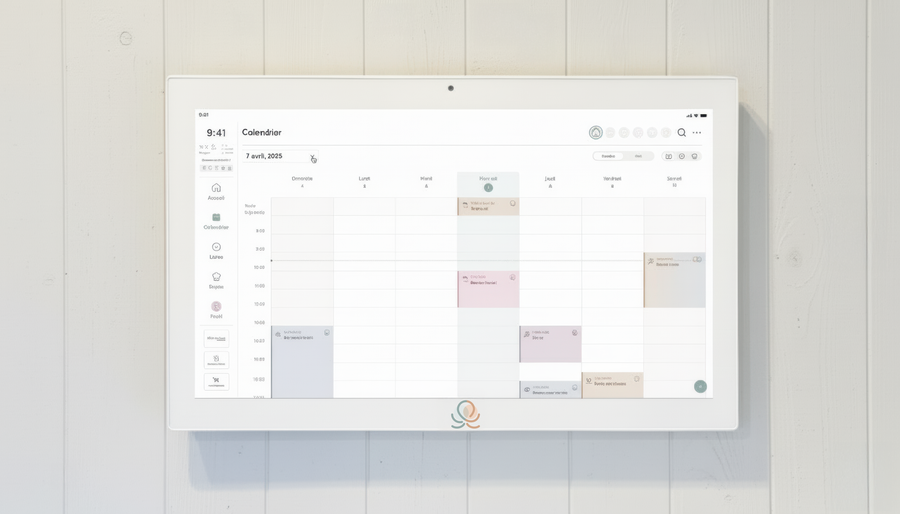
Meals, chores, the calendar and routines for the whole family in one place: on everyone's phone and on the Station on your wall.
The app is free on iOS and Android.